Canso, Nova Scotia
Published by FoxIsland Press
Fiction, non-fiction, children’s books, and cookbooks from the Atlantic coast. Stories and ideas that matter.
Fiction, non-fiction, children’s books, and cookbooks from the Atlantic coast. Stories and ideas that matter.
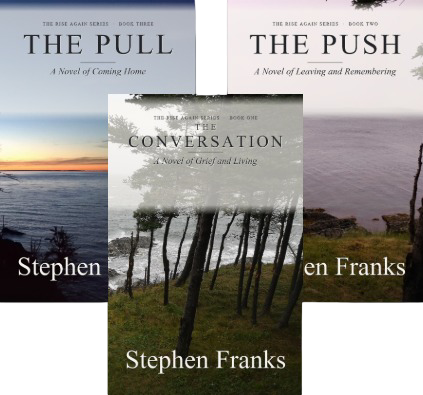
A Cape Breton series following one family across a generation of staying, leaving, and coming home. The Conversation, The Push, and The Pull — each novel stands alone; together they trace one question: what does it cost to belong to a place?
Explore the Series →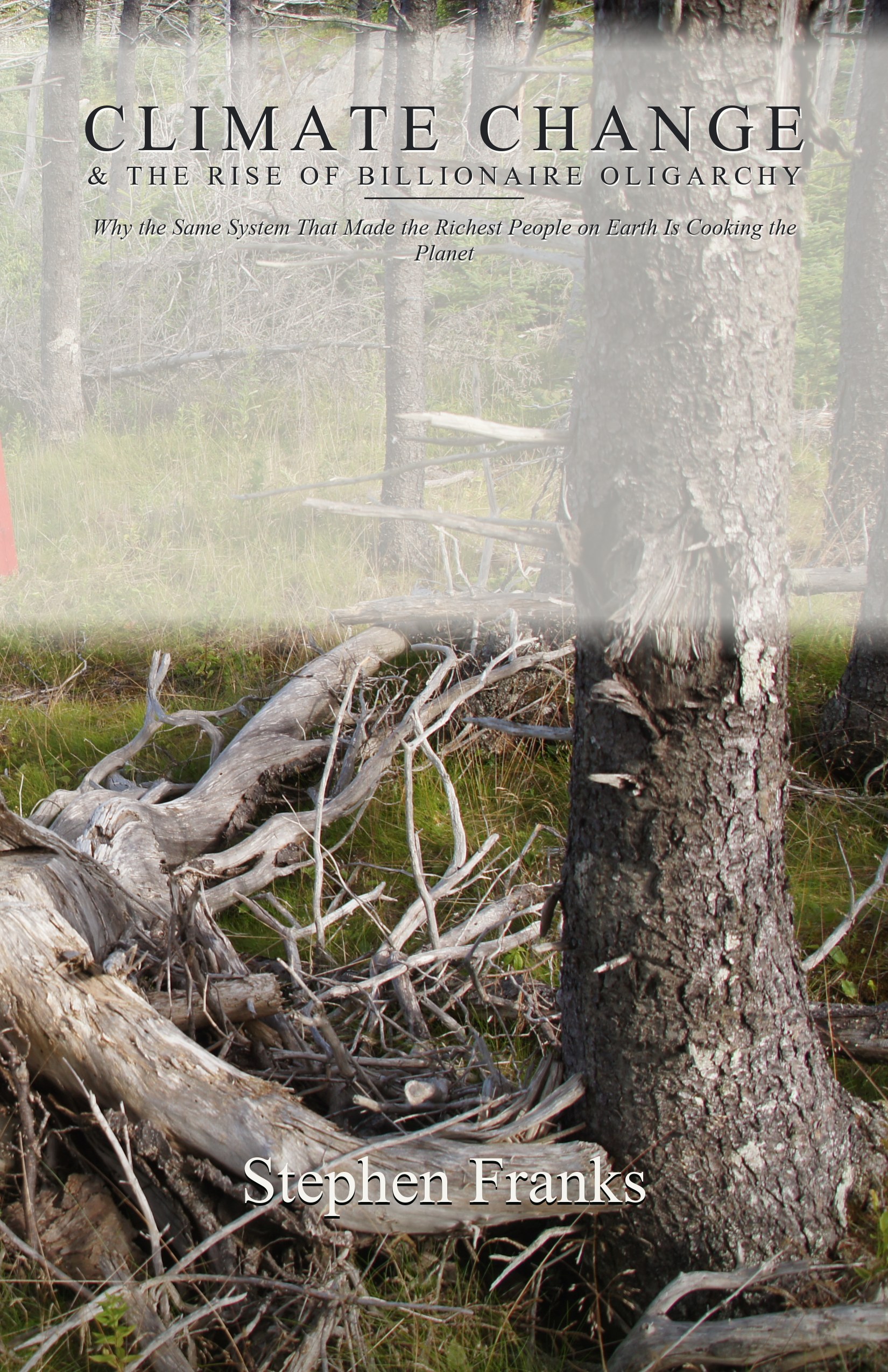
The connection between concentrated wealth and climate failure is not coincidental. It is causal. This plain-language guide traces the money, names the mechanisms, and shows where the pressure points are.
Read more →Now AvailableFour books (and growing) that help K–12 students understand recycling, composting, sustainable textiles, and safe digital citizenship.
Browse the series →A local Nova Scotia artist is illustrating the Eco Series. Your support funds professional artwork that will make these children’s books unforgettable.
Learn More & Support →Hearty Maritime comfort, fresh coastal flavours, and the stories behind the food. A cookbook that celebrates cooking the way Nova Scotians do—with good ingredients, good company, and no fuss.
Details coming soon →In DevelopmentFoxIsland Press is a publisher based in Canso, Nova Scotia. Founded by Laura and Stephen Franks, FoxIsland Press has a growing catalogue of books—from literary fiction and non-fiction to children’s environmental education and cookbooks. We are looking for new or established authors who want a bespoke, hands on publishing experience. Books published with care, one at a time.
All titles are published from the Atlantic coast and available through major retailers worldwide.
FoxIsland Press is a Canadian book publisher based in Canso, Nova Scotia, founded by Laura and Stephen Franks. It publishes literary fiction, non-fiction, children’s environmental education books, and cookbooks, offering a bespoke, hands-on publishing experience.
The Rise Again series was written by Stephen Franks and is published by FoxIsland Press. It comprises three novels—The Conversation, The Push, and The Pull—set in Cape Breton, Nova Scotia.
Yes. FoxIsland Press works with both new and established authors and offers a bespoke, hands-on publishing experience, taking on books one at a time. Use the contact details on our Authors page to get in touch.
Every FoxIsland Press title is published in paperback, hardcover, and ebook, and each is also available in a large-print edition. This applies to all three Rise Again novels and to Climate Change & the Rise of Billionaire Oligarchy.
All FoxIsland Press titles are published from the Atlantic coast of Nova Scotia and are available through major retailers worldwide.